

There is a cost inside every operating business that almost never appears on a P&L line. It is the cost of work the business is doing today that AI could replace, accelerate, or eliminate. We've started calling it the Operations Tax, and once you see it, it is hard to unsee.
It hides in handoffs between systems. It hides in manual data entry. It hides in status meetings, weekly rollups, and exception handling that gets routed to senior people because no one else has time. It hides in the half-finished automations that mostly work but no one owns. It is embedded in salaries, not in vendor invoices, which is exactly why it never shows up in a procurement review.
In companies with $50M-$500M in revenue, the Operations Tax typically runs six to seven figures a year. In enterprise, eight to nine. We have not yet seen a business where the number was zero.
Three reasons it stays invisible
The pattern is the same across every engagement we run.
First, it is embedded in salaries. The cost lives inside customer service headcount, finance ops compensation, sales operations staffing, and the long tail of analyst time. None of it appears on a vendor line or in a software budget review. So the question "what are we spending on this?" never gets asked.
Second, it is distributed across many functions. No single executive owns it. The CFO sees it spread across cost centers. The COO sees it as labor inputs. The CIO sees it as workflow integrations. Nobody owns the cumulative number, which means nobody is accountable to reduce it.
Third, it is defended as "just how we do business." Whenever we hear that phrase in an engagement interview, we write it down. It almost always means a process predates the technology that should run it.
An example, sized
Take a B2B distributor with $200 million in revenue. Roughly 14% of orders go to manual exception handling. Each exception touches accounts receivable, customer service, and operations. The annualized cost is somewhere around $1.1M in senior labor and roughly seven days of DSO drag.
None of this appears as a line item. It is spread across three functional budgets and absorbed as the cost of doing business.
A 12-week implementation of an exception classifier with AI-augmented dispute drafting recovers most of it. The math has been buildable for years. The visibility has not.
Why the AI conversation usually misses this
Most AI conversations start at the model. Which platform should we use? Which vendor should we evaluate? What does ChatGPT do that Claude doesn't?
These are the wrong first questions for an operating business. The right first question is: what are we actually doing right now, every day, that AI could do better, and how much is that costing us?
That is a workflow question, not a model question. The model decisions are real but downstream. They get a lot easier when you already know which workflows are worth the investment.
This is why most AI pilots stall. They are designed around what the model can do, not around the workflow the model is supposed to fit into. The pilot ships, the model produces output, the workflow does not change to consume the output, and six months later it gets quietly shelved. The pattern is so consistent that you can almost set your watch by it.
A quick recovery framework
If you want to start finding your operations tax, three steps work in almost any business.
Map the operations. Inventory the workflows that hold the volume in finance ops, customer service, sales operations, and supply chain. Talk to the people who run them, not the people who manage them.
Quantify the tax. Pull eighteen months of operating data and size each workflow in dollars, hours, and risk. Most workflows fall into recurring patterns. Size the patterns, not just the one-offs.
Rank, decide, ship. Sort recommendations into replace, augment, redesign, or retire. Pick one to ship first. Sequence the rest. Operating-model change goes alongside technology change, not after it.
The full perspective paper that this post draws on goes deeper on each step, with examples and methodology. Email us if you want a copy.
One CFO question that cuts through
If you want a single question that tells you whether your business has an operations-tax problem, ask your CFO this one:
What share of our operating cost is work AI could be doing, and what would it cost to recover it?
If your CFO has a defensible number, your business is in the small minority. If the answer is "we'd need to look into that," you are paying the operations tax. The only question is how big.
What we do at Joust
The Joust Operating Review is a three-week senior-led engagement that puts a real number on the operations tax inside your business and hands over a 12-month implementation roadmap to recover it.
If your CFO has been asking the second-order question and you have struggled to answer, book a 30-minute conversation. No deck, no sales pitch. Just the conversation.
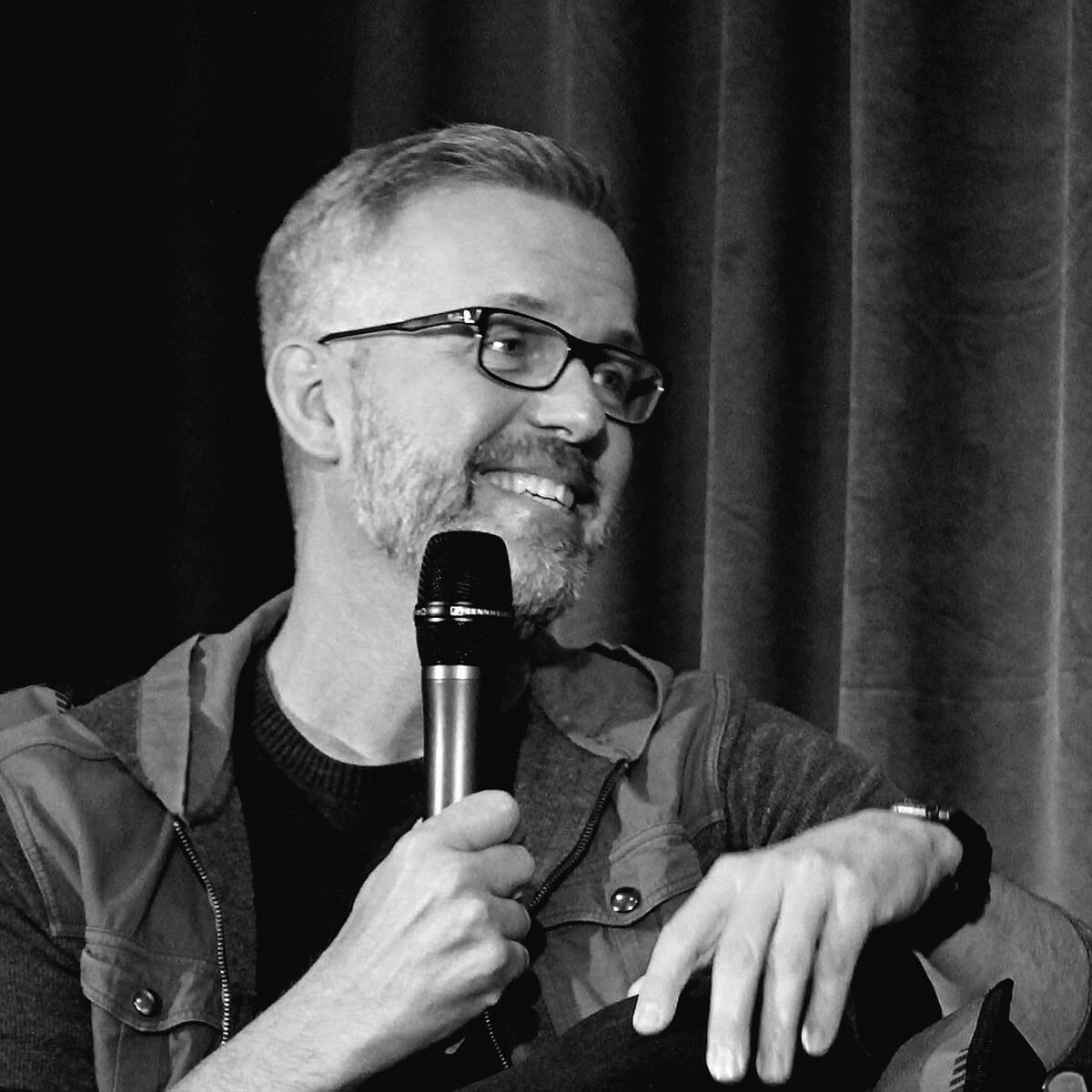
Or email Ron Davis directly at ron@joustagency.com.
Ron Davis
Founder
Three decades building enterprise platforms. Started Joust to close the gap between strategy decks and the work they're supposed to change.