Why we
started Joust.
Good advice needs people who can put it to work. We wanted to help with both.

Good advice needs people who can put it to work. We wanted to help with both.
A team can know what needs to improve and still struggle to make it happen. The systems may be difficult to change, the right skills may be missing, or nobody has time to take on another project.
We start by understanding the work and the constraints around it. That means talking with the people doing it, looking at the systems they use, and working out what a change would require.
From there, we can help you make a decision, build a system, or lead the work with your team.
Look at the process, the people, and the exceptions before choosing a tool or recommending a change.
Estimate the costs and benefits, show the assumptions, and be clear about what still needs to be tested.
Keep the scope manageable and agree on the next decision or deliverable. Give the team something they can use.
If we see a problem with the approach, we explain it and work through the options with you.
You should know who is doing the work and what to expect from us.
We explain our recommendations, keep you informed, and discuss changes before they become surprises.
We give our team clear responsibilities, fair pay, and the trust to do their work.
That is how we want a working relationship to feel on both sides.
We work with business and technology teams, from growing companies to large enterprises.
People working around slow processes, disconnected systems, or recurring manual tasks.
People choosing a platform, evaluating a proposal, or deciding what to build and where to invest.
People who need experienced technical leadership or engineers to help deliver and support a project.
The people planning your engagement stay involved in the work.
Joust brings together a core team and people we have worked alongside for years. We assemble the architects, engineers, technology leaders, and specialists each project needs.
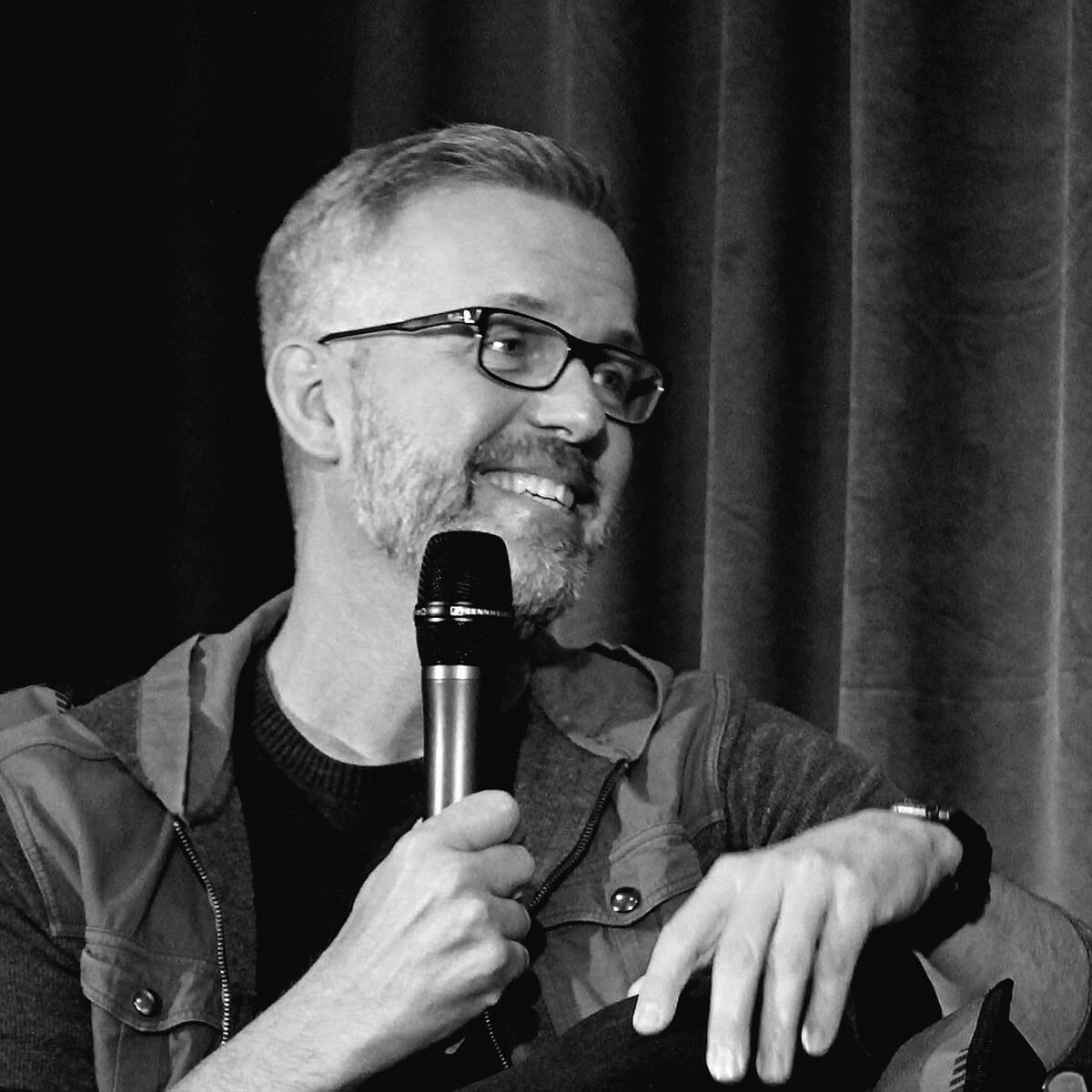
Ron Davis
Founder
I'm Ron. I started as a junior developer and worked my way to CTO over thirty years. I've written code, made architecture decisions, led teams, and managed budgets. Working in those different roles taught me how much a technical decision depends on the people who have to carry it out.
I started Joust after seeing capable teams receive recommendations they couldn't put into practice. I wanted to help with the decisions and take responsibility for the work that followed.
I care about raising a concern while there is still time to do something about it. I also want people to question my recommendations. I'd rather work through a disagreement early than discover later that someone saw a problem and didn't feel able to say so.
I try to run Joust the way I wanted the people above me to run things: treating clients and colleagues with respect, trusting them with responsibility, and sharing the bad news along with the good. I've turned down work to protect that. It matters to me.
I also write, less filtered and more personal, on my blog at rld3.com.
Recommendations from colleagues and clients across three decades.
There are technical leaders who can build anything, and business leaders who can align anyone. Ron is one of the very few who does both, at the highest level, simultaneously.
He doesn't just solve the problem, he solves the next 14 problems, and takes the time to walk stakeholders through the journey.
Ron's gift to every project was the sense of calm we all felt once he arrived.
His capacity to remain composed under pressure set the tone for our team and instilled confidence in our stakeholders.
He explained highly technical things to less technical audiences in a compelling way. His calm demeanor made working with him pleasant and productive.
He led a rapidly growing group while still taking the time to guide each of us individually. I owe a great deal of my career growth to Ron.
His leadership style is a people-first approach, with genuine concern for the well-being and professional development of his team. I, along with several colleagues, will jump at any chance to work under his leadership again.
His ability to explain complicated intricacies in an effortless, simple way was eye-opening. He is the calm force under pressure.
One of the best leaders I have ever worked with. His empathy for his team and clients is unmatched, and his technical expertise is truly impressive.
An exceptional leader with a remarkable blend of technical expertise and strategic vision. He leads by example and inspires those around him.
He formulated proposals and frameworks that gave much-needed structure to in-flight projects. He listened to the team's concerns and sought out our perspectives to form a well-rounded, informed view of the work.
He brings an easy, calming demeanor while illustrating complex technical infrastructures, and tailors the technicality of his message to his audience.
He guided the team through turbulent waters by balancing team well-being with company-wide expectation management. I would jump at the opportunity to work with Ron again.
Ron's ability to cut through fads and 'us too' strategies to craft genuinely novel, customized solutions is one of the qualities I enjoyed most.
Tell us what you need help with. We can work out the scope together.