

A client engagement ended last quarter with a single sentence that made the engagement worth what they paid for it: "Your bottleneck isn't AI. It's the person you keep hoping will leave."
We didn't put it that bluntly in the deck. But we said it.
The math problem with most consulting
Consulting firms get paid to make clients feel good. That's the unstated contract. Tell them they're doing great, recommend a few tools, suggest a roadmap they can talk about at the next board meeting.
The problem with that model is that the work doesn't change. The bottleneck doesn't move. The six figures stay hidden, and twelve months later the same conversation is happening with a different firm wearing different shoes.
The reason this persists is structural, not moral. Firms that depend on follow-on work, retainer extensions, or implementation hand-offs have a quiet incentive to leave the most useful sentence unsaid. The one that would close the door on next quarter's revenue is also the one that would save the client the most money.
What the honest version looks like
When we run an Operating Review, we get to the truth. We don't share it cruelly. We don't share it publicly. But we share it.
Sometimes the answer is a tool. Sometimes it's a process. Sometimes it's a hire. Occasionally it's a fire. And once or twice it's been "stop doing this thing entirely, no one wants it."
A few of the harder sentences we've delivered in the last year:
- The platform you bought is fine. The implementation partner you bought it from isn't, and the next twelve months of work needs a different team.
- The reason the pilot worked and the rollout didn't is that one person on the pilot team carried it on willpower. Without her, none of this ships.
- Your data isn't ready for the AI use case you're pitching to the board. It's six months of work before the first model gets meaningful input.
- The fastest path to your goal is to retire the AI workstream entirely and fix the workflow underneath it. The model is fine; the operation isn't.
None of these landed in a slide deck unfiltered. All of them landed in a conversation, with the math behind them, and with a path forward attached. But they got said.
Why we can say what other firms can't
The reason isn't bravery. It's structure.
We sell a fixed-scope engagement with a fixed fee. There is no implementation contract waiting to be signed. There is no platform we resell. There is no recurring license we lose if the recommendation is "kill it." If the honest answer to the engagement question is "you don't need this," we say so and we still get paid the same amount.
That structural alignment is what makes the truth a deliverable rather than a risk. It's also why the Operating Review is the shape it is. The honesty isn't a personality trait. It's an operating model.
Why this matters for the buyer
You don't pay six figures for someone to confirm what you already believed. You pay for someone to tell you what's actually true, with the receipts attached, and with a sequence to act on it that you can show your CFO.
The first version of the truth is the rarest deliverable in consulting. It's also the one that moves the most.
One question for the CEO
If you want to know whether your last consulting engagement gave you the truth or the version of it the firm could afford to share, ask the person who ran it:
What did the firm tell us we'd rather not hear, and what did it cost them to say it?
If the answer is "nothing comes to mind," the engagement was probably comfortable. Comfort is not the same thing as value.
What we do at Joust
The Joust Operating Review is a three-week, senior-led engagement that puts the truth on the table, sized in dollars, with a 90-day plan and a 12-month roadmap attached. No follow-on contracts. No tools we resell. No reason to hold back the one sentence you actually paid for.
If you're tired of consulting that confirms what you already knew, book a 30-minute conversation. No deck, no pitch. Just the conversation.
Or email Ron Davis directly at ron@joustagency.com.
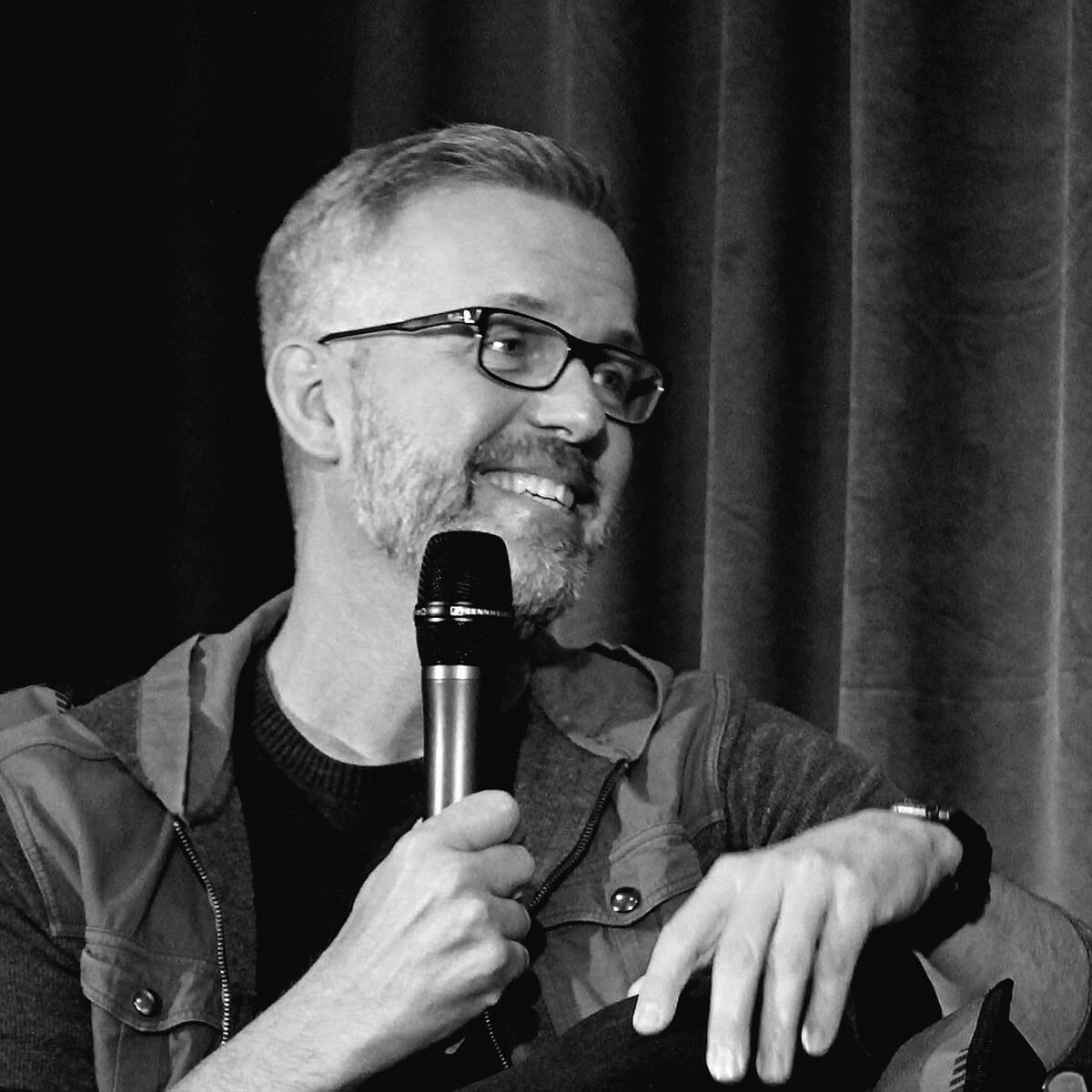
Ron Davis
Founder
Three decades building enterprise platforms. Started Joust to close the gap between strategy decks and the work they're supposed to change.